

Lemon Essential Oil
Mix and save
Any 6 oils save 10%
Any 12 oils save 15%
Single essential oils only. Applied automatically at checkout. Shop all oils
Organic · Citrus limon · South Africa
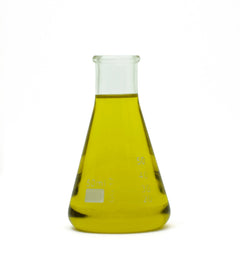
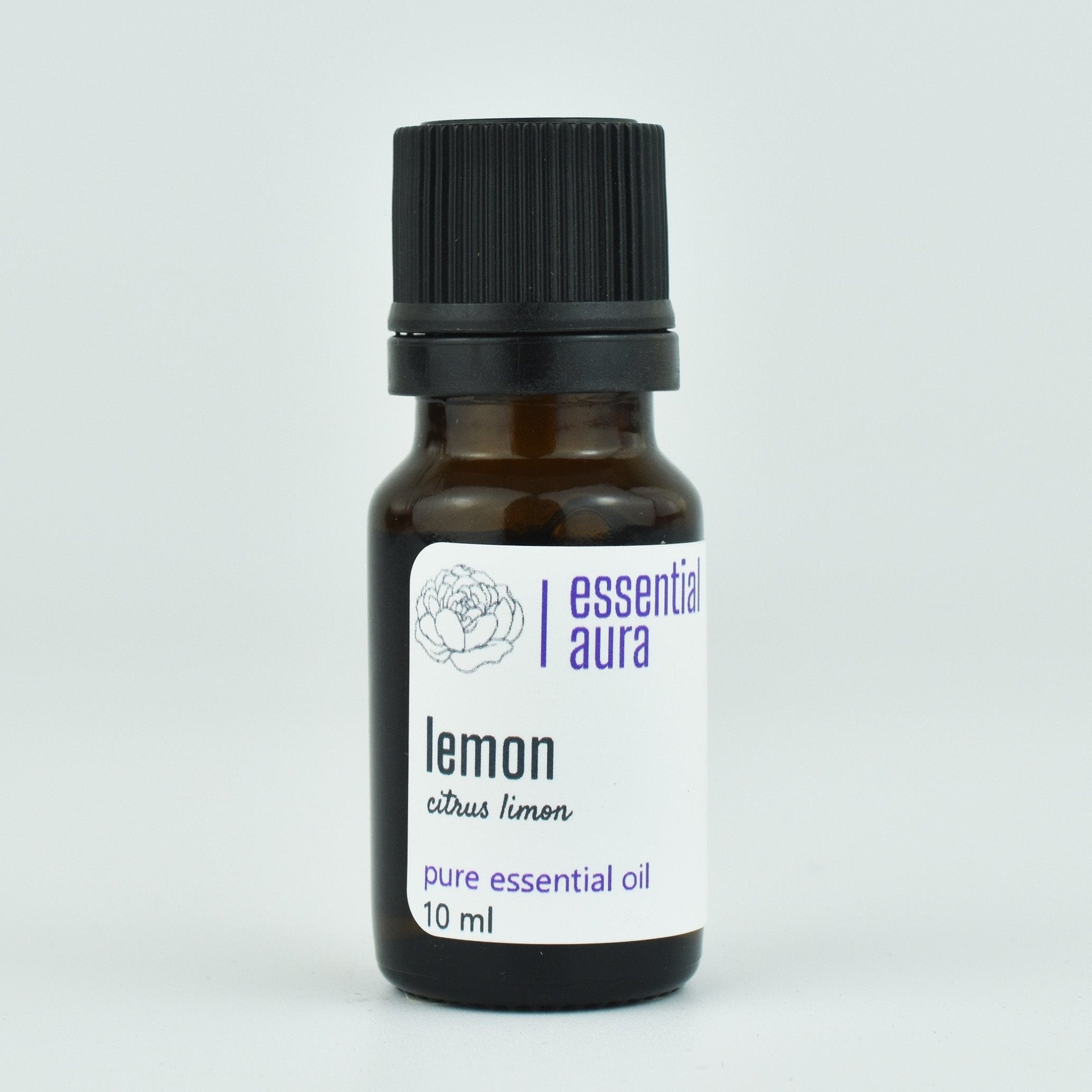
Lemon essential oil is cold pressed from the peel of Citrus limon and comes from South Africa. It is fresh, bright and zesty, like a freshly peeled lemon, made for diffusing and blending. It is a top note, the first scent you notice in a blend, and it is mostly limonene, the compound behind its lemon aroma.
How to use it
- Diffuser: 3 to 5 drops, on and off for 30 to 60 minutes at a time, in a well-ventilated room.
- Body oil or massage blend: 6 to 12 drops per 30 mL of carrier oil, a 1% to 2% dilution. Try a small patch of skin first.
Keep away from infants and young children. For external and aromatherapy use only, and always diluted on skin. Cold pressed lemon oil can make skin react to sunlight, so keep skin where you have applied it out of direct sun and tanning beds for 24 to 48 hours. Pregnant or nursing? A quick check with your health provider is a good first step.
At a glance
- Latin name
- Citrus limon
- Plant part
- Peel, cold pressed
- Origin
- South Africa
- Status
- Organic
- Size
- 10 mL and 30 mL
Traditional use and what research says
Studied: in one study of people under stress, a lemon aroma had a positive effect on mood, but it did not change stress indicators, immune markers or pain control (reported by the US National Center for Complementary and Integrative Health). It is a single small study, and research on aromatherapy overall is still limited.
Traditional use, not yet studied
- Used in aromatherapy practice for freshening the air.
- Used in aromatherapy practice for oily or dull-looking skin.
- Used in aromatherapy practice for minor cuts and insect bites.
Always dilute first. For deep wounds, severe burns or anything that is not healing, see a health provider.
More safety notes
- Cold pressed lemon oil contains furocoumarins, which can cause a skin reaction in sunlight. The Tisserand Institute advises keeping UV off the area for at least 12 hours, and Health Canada's aromatherapy monograph says 24 to 48 hours, which is the safer rule. If you plan to sunbathe or use a tanning bed, skip lemon oil on your skin. Covered skin and products that wash off carry little risk.
- Tisserand's Essential Oil Safety gives a maximum of 2% for cold pressed lemon on skin, and Health Canada lists 1% to 2%, which is why we suggest no more than 12 drops per 30 mL.
- Lemon oil may irritate or sensitise skin in some people. Air changes citrus oils over time, and oxidised limonene is a recognised skin sensitiser in dermatology patch-test studies, so keep the cap on tight and skip a bottle that smells harsh or off.
- Keep it away from the eyes, and do not use it on broken, irritated or sensitive skin. It is not for oral use.
- If you have epilepsy or asthma, a quick check with your health provider is a good first step (Health Canada).
- Pregnant or nursing? A quick check with your health provider is a good first step. The Tisserand Institute advises pregnant people to seek advice before using pure essential oils, and Health Canada's aromatherapy monograph advises against use while pregnant or breastfeeding.
- Keep oils out of reach of children, in a bottle with a child-resistant cap.
Sources and last reviewed
Questions
What does lemon essential oil smell like?
Fresh, bright and zesty, like a freshly peeled lemon. It is a top note, so it is the first thing you notice in a blend. How a scent reads is personal, so your own nose has the last word.
How much lemon oil goes in a diffuser?
Use 3 to 5 drops, and diffuse on and off for about 30 to 60 minutes at a time in a well-ventilated room.
How do I dilute lemon oil for my skin, and what about the sun?
Add 6 to 12 drops to 30 mL of carrier oil for a 1% to 2% dilution, and try a small patch of skin first. Cold pressed lemon oil can make skin react to sunlight, so keep the area out of direct sun and tanning beds for 24 to 48 hours.
Is lemon oil safe around children and in pregnancy?
Keep it away from infants and young children. Pregnant or nursing? A quick check with your health provider is a good first step.